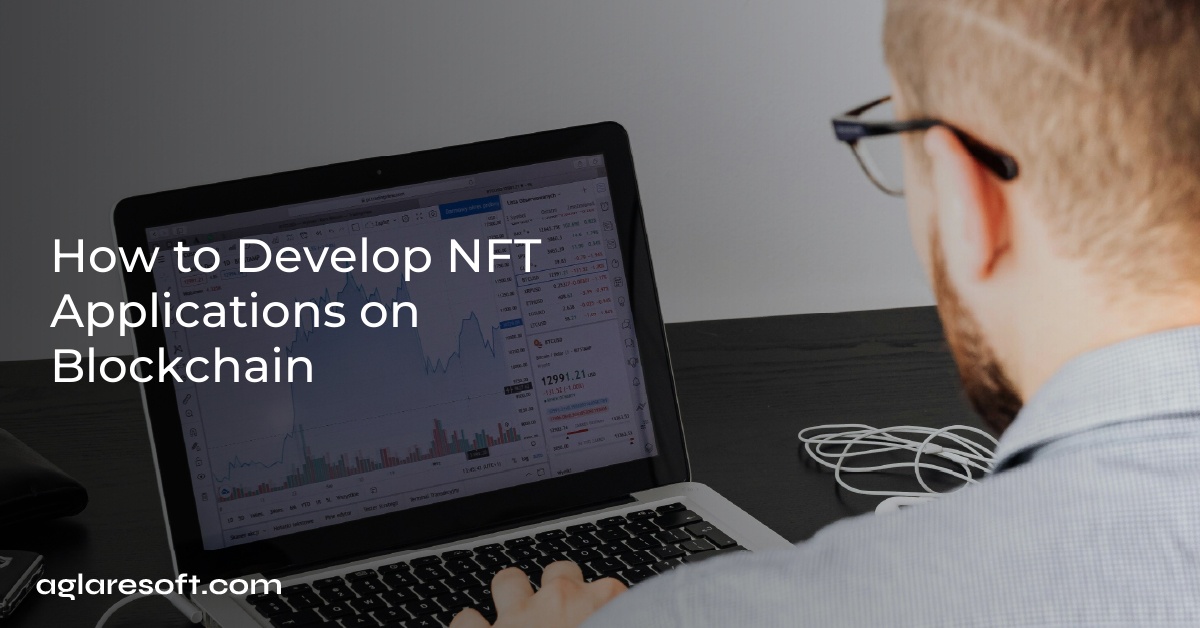
Non-fungible tokens (NFTs) have caught the eye of many. Investors, artists, and developers are all interested. The market has grown by over 3,000% from 2020 to 2021.
This shows NFTs are more than a fleeting trend. The community expects a $147.24 billion increase by 2026. This means more demand for NFT development.
Creating NFT applications on blockchain is exciting. These apps work in various marketplaces like OpenSea and NBA Top Shot. They also meet specific needs in digital art and collectibles.
Developers can use Ethereum and Binance Smart Chain to make and launch their NFTs. This guide will cover the key steps in NFT application development. We’ll look at understanding the NFT landscape and the technical side of blockchain applications.
Whether you want to create NFT apps for art, gaming, or exclusive digital assets, we’ve got you covered. We’ll show you how to successfully enter this fast-paced market.
Understanding the NFT Landscape
Non-fungible tokens (NFTs) have changed how we see digital assets. They are not like Bitcoin, which can be swapped for another of the same. NFTs are unique and prove ownership, perfect for digital art, music, and virtual land.
What are NFTs?
NFTs use standards like ERC-721 and ERC-1155. This tech lets them be unique digital assets. They can be traded safely on platforms like Ethereum and Binance Smart Chain. Smart contracts make sure transactions are fair and clear.
Key Features of NFTs
Here are the main things that make NFTs special:
- Uniqueness: Each NFT is unique, making them great for special items.
- Indivisibility: NFTs can’t be split. They are whole.
- Immutable Ownership Records: The blockchain keeps track of who owns what, making it clear and reliable.
- Programmable Royalties: Creators can set up royalties in NFTs. This way, they get paid every time their work is sold.
The Growing Market for NFTs
The NFT market is growing fast. It’s expected to hit $147.24 billion by 2026. In March 2021, Beeple made over $69 million from NFTs. Marketplaces like OpenSea offer a wide range of NFTs, from art to virtual land.
More people are investing in NFTs to diversify their portfolios. This includes projects like trading fine wine and real estate. NFTs are also making their way into gaming and music. They let creators earn money from their work while keeping control over it.
How to Develop NFT Applications on Blockchain
Creating NFT applications needs careful planning. First, choose a blockchain platform for NFTs. Ethereum and Binance Smart Chain are top choices. Ethereum is known for its strong smart contracts and tools for NFT development. Binance Smart Chain is great for fast transactions and lower fees.
Choosing the Right Blockchain Platform
Picking the right blockchain is key for your NFT project’s success. Ethereum’s ERC-721 token standard is popular for NFTs. It ensures unique assets through smart contracts, making NFTs more appealing. Binance Smart Chain also supports NFTs and is good for fast entry into the market.
Essential Components of NFT Development
The tech stack is vital for NFT app development. You’ll need skills in HTML5, CSS, and React JS for the front-end. Back-end skills in Ruby on Rails or PHP Laravel are also important. Efficient asset storage is a must, using Pinata for files and metadata.
An experienced team is essential for a successful project. They should include blockchain and UI developers. Planning for testing, risk management, and hiring timelines is also important. This ensures a smooth user experience for trading, minting, and managing NFTs.

Gary Linker is a seasoned blockchain developer and writer, known for demystifying complex technologies with ease. With a passion for educating the next generation of tech enthusiasts, Gary’s articles blend expertise with a friendly, engaging tone, making advanced concepts accessible to all.